
Freelance Digital Marketer in Palakkad: Helping Businesses Grow Online
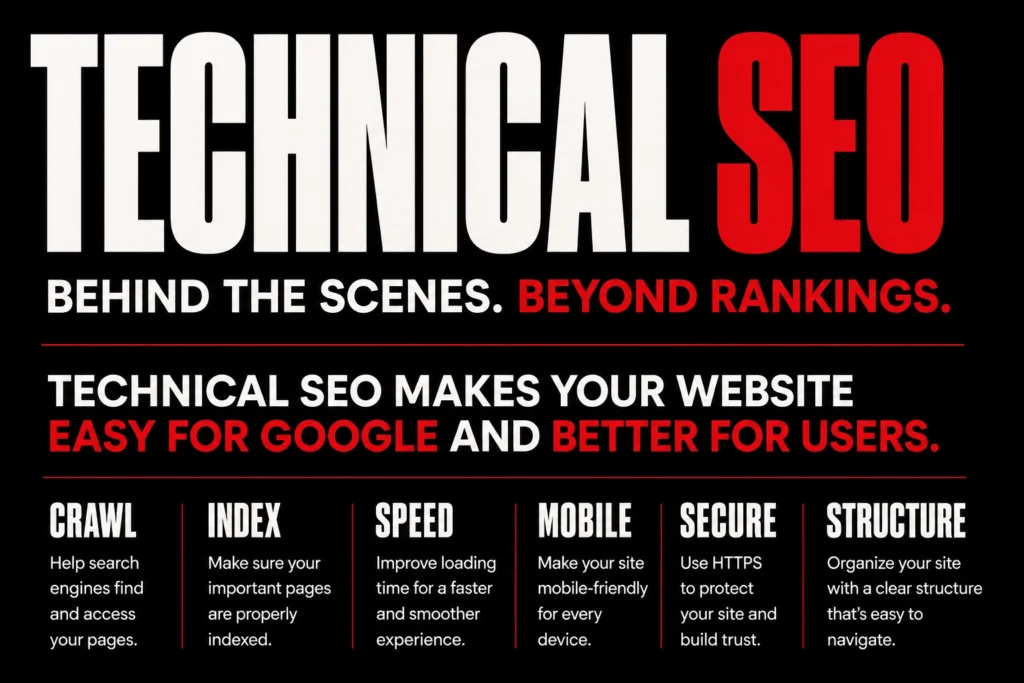
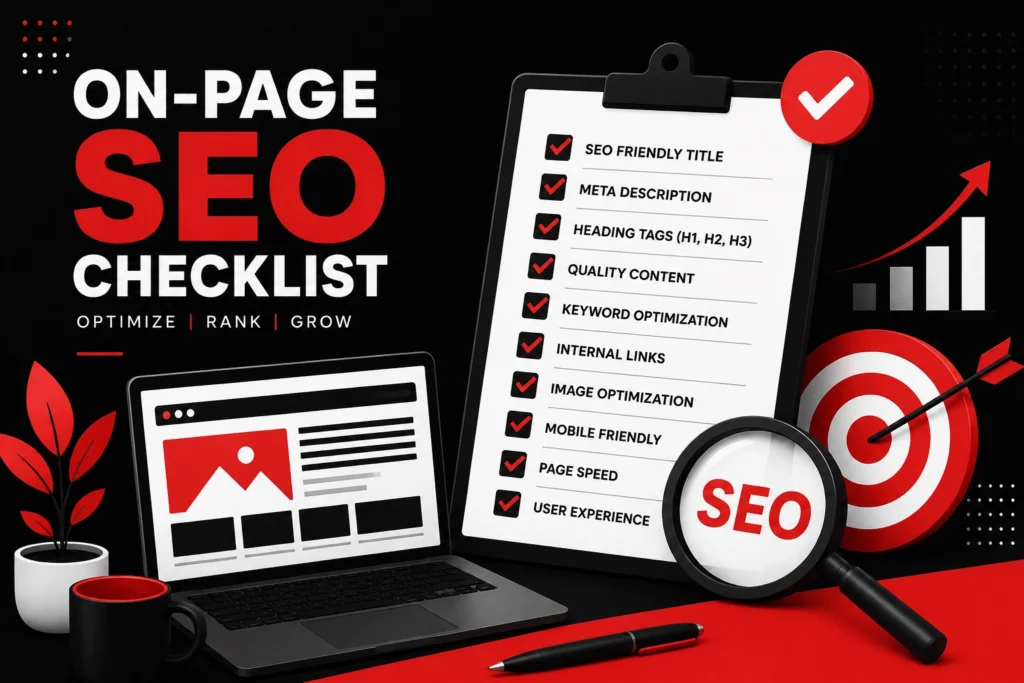
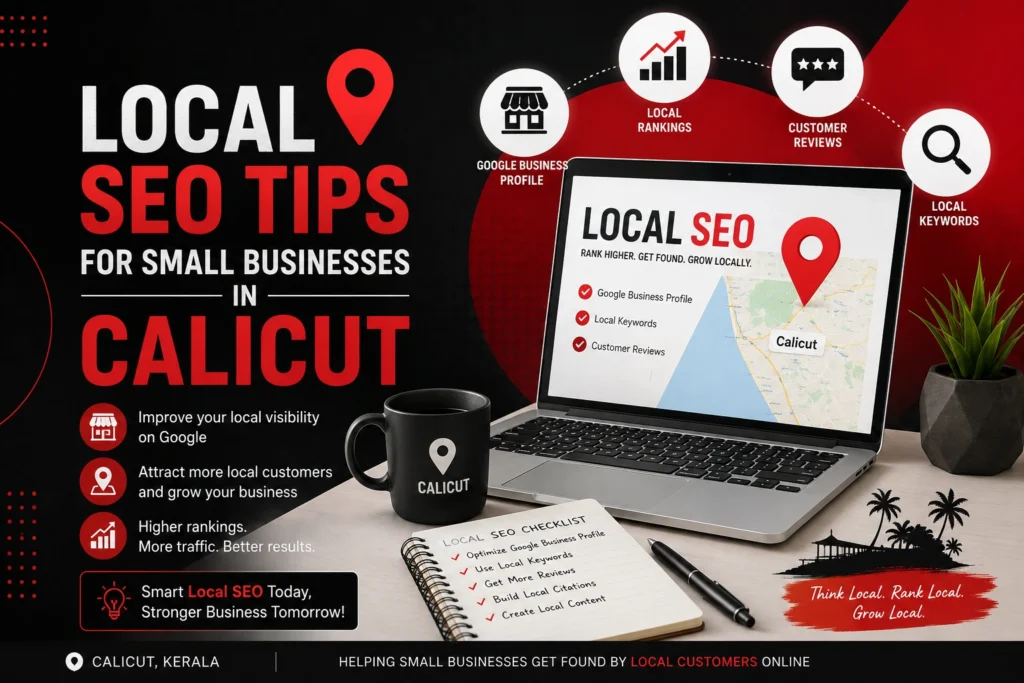
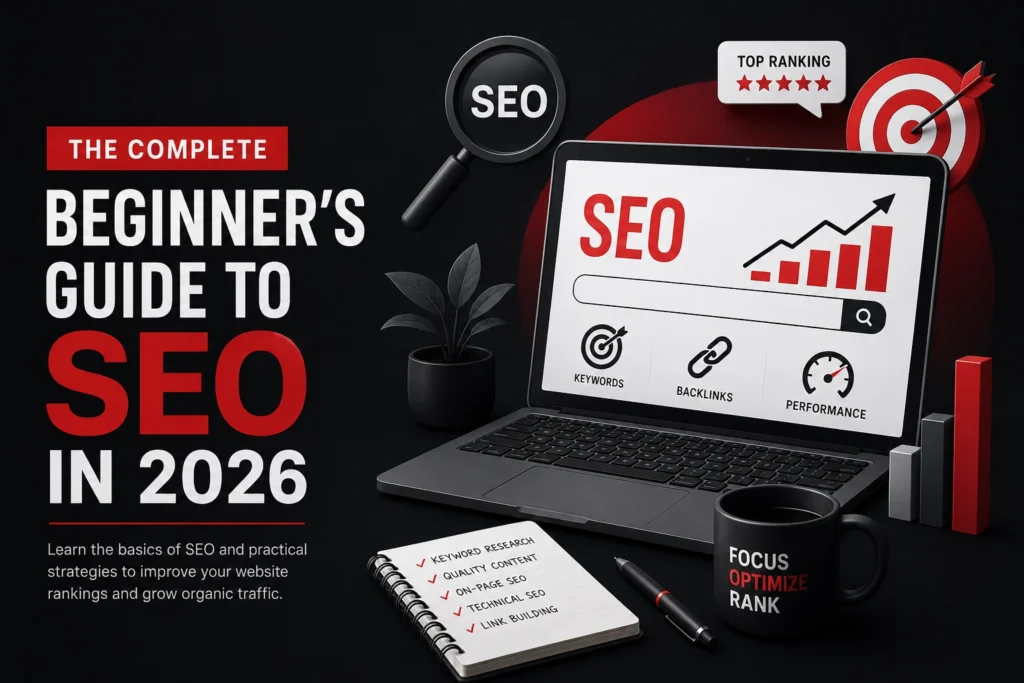
Freelance Digital Marketer in Palakkad: Helping Businesses Grow Online Introduction Today, most people search online before choosing a product, service, or business. Whether they are looking for a restaurant, clinic, boutique, educational centre, real estate service, or professional, Google and social media often play an important role in their decision. This is why having a strong online presence has become important for businesses of all sizes. However, simply creating a website or opening an Instagram account is not enough. Your business needs the right strategy to reach the right audience and build trust online. This is where a Freelance Digital Marketer in Palakkad can help. Digital marketing involves different activities, including search engine optimization, social media marketing, content creation, paid advertising, and website optimization. For a business owner, managing all of these areas while also running the business can be difficult. A digital marketing freelancer can provide focused support based on your business goals and target audience. Whether you run a small local business, a startup, or an established company, a good digital strategy can help improve your online visibility and connect you with potential customers. In this guide, we’ll look at how a freelance digital marketer can help businesses in Palakkad and what you should consider before choosing one. Why Do Businesses in Palakkad Need Digital Marketing? Customer behaviour has changed. In the past, people often depended on newspaper advertisements, banners, or recommendations from friends and family. These methods still have value, but today many people start their search online. For example, someone may search Google for: If your business has a strong online presence, you have a better opportunity to appear in front of people who are already interested in your services. Digital marketing can help businesses: The right strategy will be different for every business. A restaurant may need local SEO and social media content. A service-based business may focus more on website SEO and Google visibility. An online store may need paid advertising and content marketing. This is why a one-size-fits-all approach does not always work. What Does a Freelance Digital Marketer Do? A freelance digital marketer is an independent professional who helps businesses promote their products or services online. Depending on their skills, they may offer services such as: Search Engine Optimization SEO helps improve your website so it can become more visible in search results. This may include: SEO is especially useful for businesses that want to attract people who are actively searching for relevant products or services. Social Media Marketing Social media can help businesses connect with customers and build brand awareness. A digital marketer may help with: The goal should not simply be to post every day. A good strategy should consider your target audience, brand, and business goals. Paid Advertising Platforms such as Google and Meta offer advertising options that can help businesses reach a specific audience. Paid advertising may be useful for: However, ads need proper planning and monitoring. Running advertisements without a clear strategy can result in unnecessary spending. Content Marketing Useful content can help a business build trust and demonstrate expertise. This can include: For example, if you are a business owner, answering common questions from your customers through useful content can help people understand your services better. Benefits of Working With a Freelance Digital Marketer Many small businesses may not need a large digital marketing agency. Working with a freelancer can offer some practical advantages. 1. More Personal Attention When you work with a freelancer, you usually communicate directly with the person handling your project. This can make it easier to discuss your business goals and share ideas. A good freelancer will take time to understand: This can lead to a more personalized strategy. 2. Flexible Services Not every business needs every digital marketing service. For example, a small local business may initially need help with: Later, they may decide to add paid advertising or more advanced SEO. A Freelance Digital Marketer in Palakkad can provide a more flexible approach based on your current priorities. 3. Direct Communication Clear communication is important in any marketing project. When working directly with a freelancer, it may be easier to discuss changes, ask questions, and understand what is happening with your marketing. However, communication works both ways. The business owner should also share important information about offers, new services, customer feedback, and business goals. 4. A Focused Marketing Strategy A good digital marketer should not recommend every available service without understanding your business. Instead, they should first ask questions. For example: The answers can help create a strategy that is more relevant to your business. How SEO Can Help Local Businesses SEO can be valuable for businesses that want to improve their long-term online visibility. When people search for a product or service, appearing in relevant search results can bring valuable traffic to your website. For local businesses, local SEO can also be important. For example, if you provide a service in Palakkad, your website should clearly communicate: Local SEO can involve improving your website, Google Business Profile, business information, local content, and online presence. SEO is not an overnight process. Depending on the competition and condition of your website, it can take time to see meaningful improvements. A good SEO strategy requires consistency and patience. Be careful with anyone who promises instant number-one rankings. How to Choose the Right Freelance Digital Marketer Choosing a marketing professional is an important decision. Here are some things you can check before hiring someone. Look at Their Portfolio A portfolio can give you an idea of the freelancer’s skills and previous work. You can look for: Try to understand what they actually contributed to each project. Check Their Own Online Presence A digital marketer should also understand how to build an online presence. Check their: Their own online presence does not need to be perfect, but it should demonstrate their understanding of digital marketing. Ask About Their Strategy Before hiring a freelancer, ask how they plan to help your business. A professional should be able to explain their